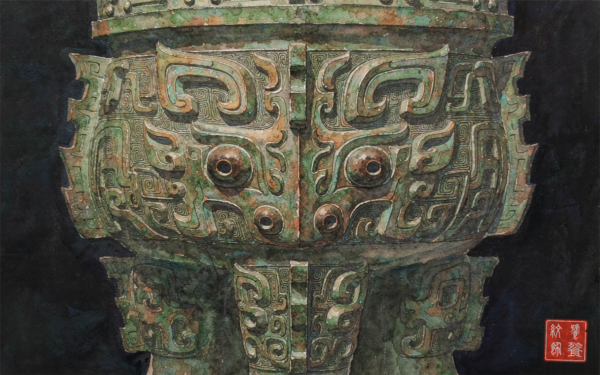
Stare at a 3,000-year-old Chinese bronze and a monster stares back. This is the taotie: the gluttonous face on ancient ritual vessels, a beast that ate people, got eaten by its own appetite, and ended up guarding the family dinner table.
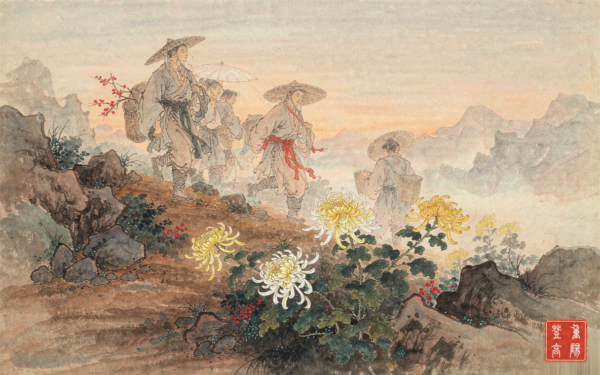
A plague demon, a fortune-teller’s warning, and a village saved by climbing a mountain: the 2,000-year-old legend behind the Double Ninth Festival. Meet Huan Jing, and learn why millions of Chinese families still climb hills and drink chrysanthemum wine every October.
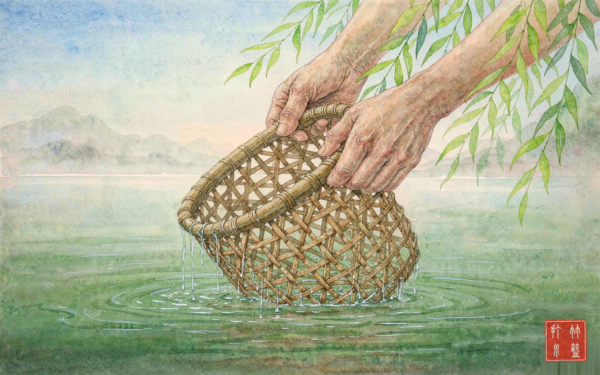
The handiest Chinese image for wasted effort isn’t carrying water in a sieve — it’s a bamboo basket. Here’s how the two-part xiehouyu works, why bamboo was doomed to leak, and its moonlit cousin idiom about scooping the moon from the water.
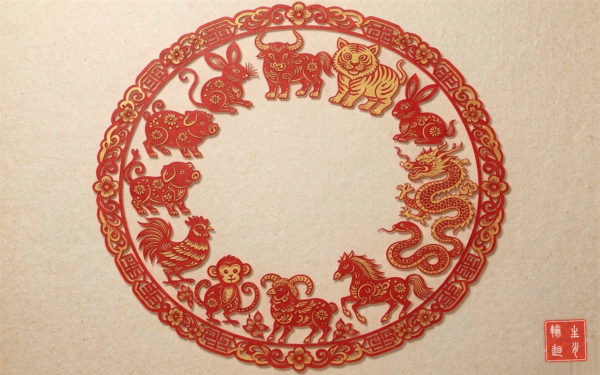
In China the zodiac is less a fortune-telling machine than a 12-year clock. Why the rat leads the pack, why hospitals fill up in Dragon years, and why red underwear matters in your ben ming nian.
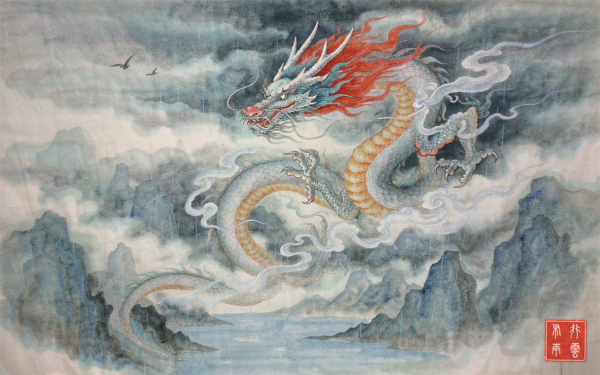
The Chinese dragon hoards no gold and kidnaps no princesses – it decides when the rain comes. Meet the loong: nine animals stitched into one river god, an emperor’s emblem, and the friendliest monster in world mythology.
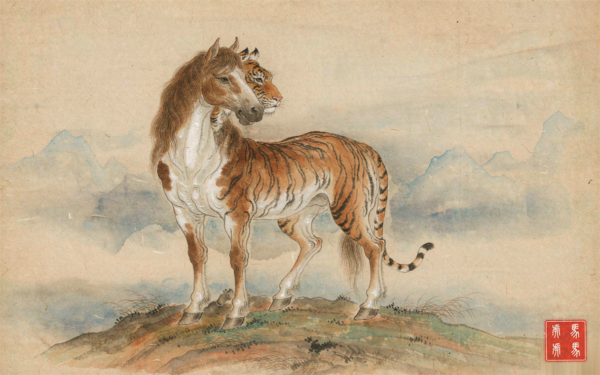
Horse horse tiger tiger sounds like a riddle, but it is the most useful shrug in the Chinese language. This piece unpacks the phrase’s two meanings, the careless-painter legend behind it, and exactly when saying it will get you in trouble.
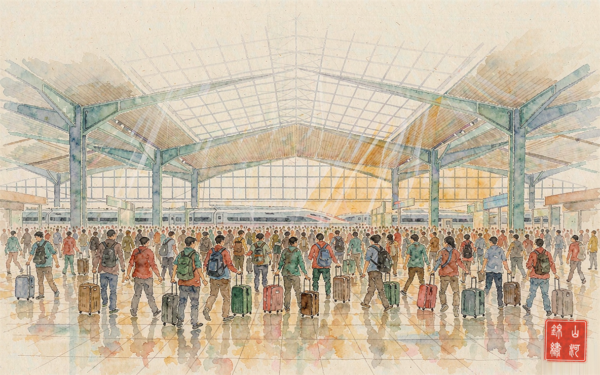
China’s Golden Week moves roughly 700 million travelers in seven days — the largest coordinated holiday on Earth. How a 1999 economic lever became a national ritual, what tiaoxiu does to your weekend, and how, as a visitor, to travel through it anyway.
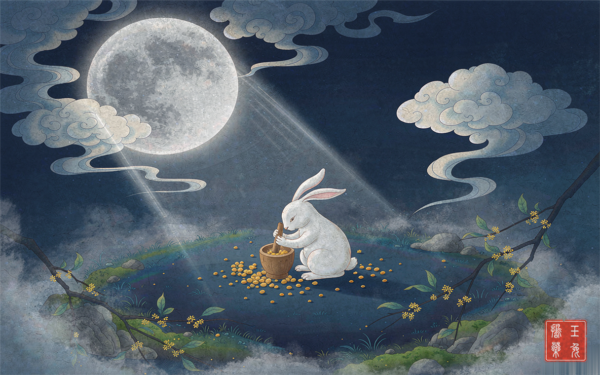
Look at the full moon and most Chinese children see not a face but a rabbit — pounding the elixir of immortality for 2,000 years. Three origin stories, three countries’ worth of moon lore, and the lunar rovers named after it.
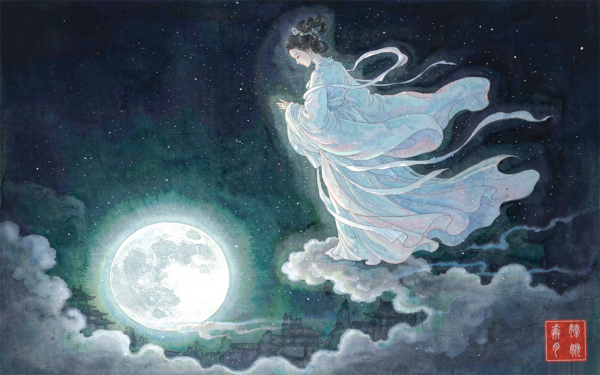
Two thousand years ago, a Chinese goddess swallowed an elixir of immortality and flew to the moon — alone, forever. The story of Chang’e, the regret at the heart of the Mid-Autumn Festival, and why China’s lunar missions carry her name today.
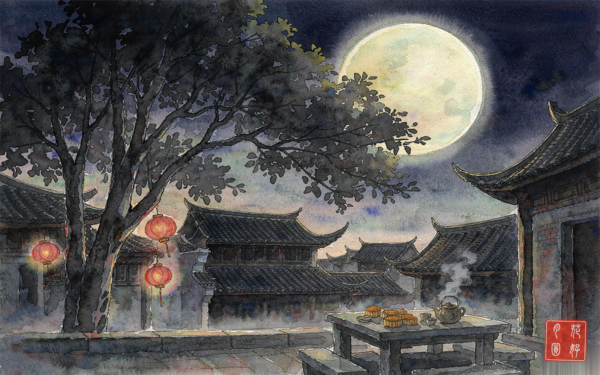
This Friday night, a billion people will look up at the same full moon. What the Mid-Autumn Festival really means, why the mooncake is cut and shared but never eaten alone, and how to take part this week — from anywhere in the world.
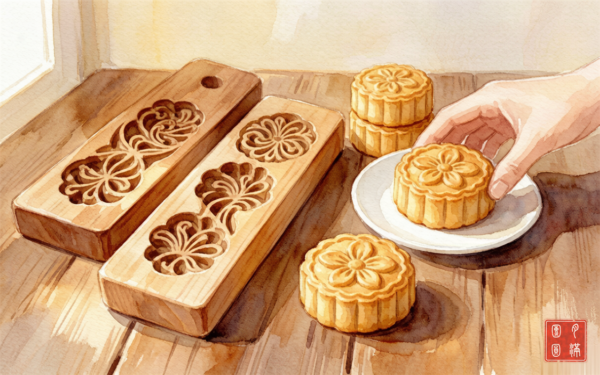
Is the five-kernel mooncake a classic or an abomination? The annual argument proves something remarkable: a pastry with a 1,000-year paper trail — Tang palace legends, Ming rebellion stories, and the wooden molds hiding on every festival table.
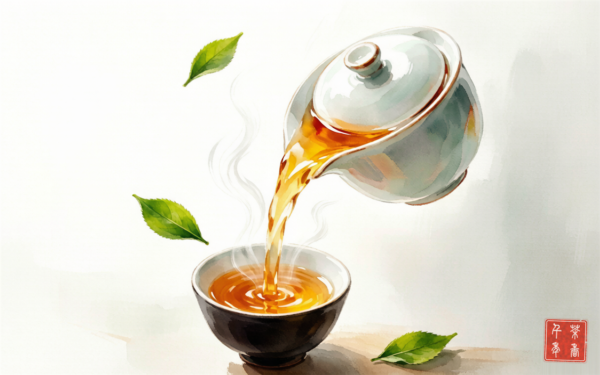
Tea was born in China — and Chinese tea is not one drink but six: green, black, oolong, white, yellow, and dark, each shaped by a single step in processing. A short field guide to 5,000 years of tea, from legend to your teapot.